


IBR, ASME U-Stamp, NBBI, PED, TRCU
What They Mean - and What You Risk Without Them
If you’re in need of a heat exchanger for a project where compliance and safety aren’t negotiable, you’ve probably come across terms like ASME U Stamp, IBR, NBBI registration, PED TRCU and the likes.
But what do they really mean? Why does one even need it?
More importantly – what happens if your vendor doesn’t meet those standards?
Let’s break it down:
What These Certifications Really Mean
These aren’t just fancy logos on a datasheet. Each certification is a stamp of trust – granted only after rigorous checks of engineering processes, documentation systems, inspection readiness, and manufacturing quality.

Issued by the American Society of Mechanical Engineers, this certification authorizes a manufacturer to design and build pressure vessels in accordance with the ASME Boiler and Pressure Vessel Code (BPVC). It’s internationally recognized – essential for projects that require global standards of safety, documentation, and compliance.
The Indian Boiler Regulations (IBR) apply to boilers and their associated components, particularly those used for generating steam and operating at certain pressure and volume thresholds. Specifically, IBR applies to Pressure Vessels/Heat Exchangers with a capacity exceeding 22.5 liters and a pressure of 3.5 kg/cm2 or higher.
Additionally, IBR regulations govern steam piping, condensate piping, and boiler feed water piping, especially when the design pressure exceeds 3.5 kg/cm2 or the line diameter is 10 inches or greater with a pressure of 1 kg/cm2 or higher.
However if your process meets the above criteria, it must be then evaluated separately to check the applicability for your specific process.

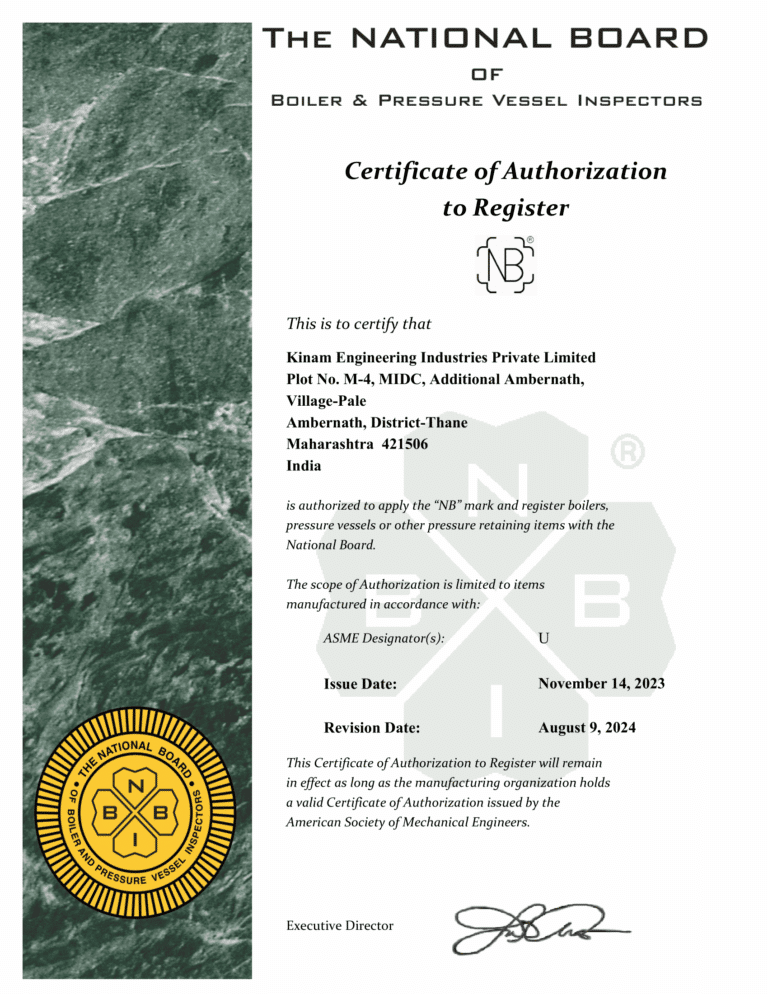
Issued by the National Board of Boiler and Pressure Vessel Inspectors (NBBI), this proves that the vessel has been inspected and registered by a certified third-party inspector. It’s critical when cross-border compliance or state-wise approvals are part of the project.
This European Union directive is mandatory for pressure equipment used within EU countries. It ensures that design, manufacturing, inspection, and testing processes conform to EU safety and compliance norms. PED is essential when your equipment will be operated in Europe, especially in sensitive sectors like pharma, chemical, and food.
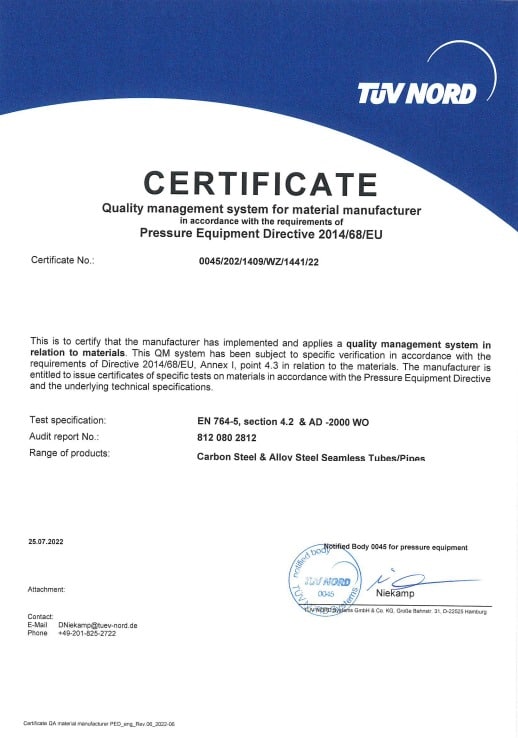
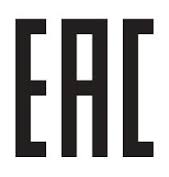
TRCU Certification
TRCU stands for Technical Regulations of the Customs Union – a certification required for exporting equipment to CIS countries like Russia, Belarus, and Kazakhstan. If your project is headed to the Eurasian Customs Union, TRCU compliance is not optional. It covers safety, quality, and conformity with the technical regulations of the destination country.
Not Every Order Needs These Certifications - But When Yours Does, You Can’t Afford to Wing It.
Here’s the catch most people miss:
These certifications aren’t for every order.
But when your project, EPC, or audit requires one – it’s too late to wish your vendor had the system in place.
Unlike ISO, which certifies an entire company or factory, these certifications are order-specific. Only the heat exchangers built under these codes receive the certification.
But to build such exchangers, the vendor must already be certified, pre-approved, and process-ready.
What You Risk Without the Right Certification Partner
If your project needs a certified exchanger and your vendor isn’t truly prepared, you risk:
Inspector rejections
Delays in commissioning
Non-compliance penalties
Project cost overruns
Reputational damage
And it’s not just about ticking boxes.
These bodies grant certifications only after deep technical evaluations – from design controls and material traceability to welding procedures, NDT protocols, testing, and final documentation.
If your vendor cuts corners, you pay the price.
Why Kinam Is the Partner of Choice When Certifications Are Non-Negotiable
At Kinam, we’re certified by ASME (U Stamp), IBR, and NBBI – but that’s just the starting point.
What makes the real difference is this:
Our in-house QAP (Quality Assurance Plan) and QCP (Quality Control Plan) are part of every single order, not just the certified ones
Zero outsourcing – from design to final dispatch, everything is done in-house
Audit-ready always – we don’t “prepare” for inspections, because our systems run inspection-grade quality by default
Trusted by third-party inspectors – our documentation, traceability, and internal standards consistently meet global benchmarks
This is how we’ve delivered over 16000+ heat exchangers across 33 countries, including to the most demanding sectors like Petrochemical, Oil & Gas, and Fertilizer,
So, What Should You Do?
If you’re working on a project that requires IBR, ASME U, or NBBI registration, or simply want to ensure nothing slips through the cracks, choose a partner who’s built for it.
At Kinam, compliance isn’t a final check – it’s how we operate every day.